Media Literacy, Information Literacy and Technology Literacy Definitions and Essays
Media literacy


A Broader Definition
Media literacy: the ability to ACCESS, ANALYZE, EVALUATE, CREATE, and ACT using all forms of communication is interdisciplinary by nature. Media literacy represents a necessary, inevitable, and realistic response to the complex, ever-changing electronic environment and communication cornucopia that surround us.
To become a successful student, responsible citizen, productive worker, or competent and conscientious consumer, individuals need to develop expertise with the increasingly sophisticated information and entertainment media that address us on a multi-sensory level, affecting the way we think, feel, and behave.
Today’s information and entertainment technologies communicate to us through a powerful combination of words, images, and sounds. As such, we need to develop a wider set of literacy skills helping us to both comprehend the messages we receive and effectively utilize these tools to design and distribute our own messages. Being literate in a media age requires critical thinking skills that empower us as we make decisions, whether in the classroom, the living room, the workplace, the boardroom, or the voting booth.
Finally, while media literacy does raise critical questions about the impact of media and technology, it is not an anti-media movement. Rather, it represents a coalition of concerned individuals and organizations, including educators, faith-based groups, health care-providers, and citizen and consumer groups, who seek a more enlightened way of understanding our media environment.
Over the years, many definitions and visions of media literacy have been created to reflect different points of view, different approaches and goals, and different audiences. Through the postings in various sections of the NAMLE web site, we will try to present many of these definitions along with their sources. We welcome input from visitors to the web site.
https://en.wikipedia.org/wiki/Media_literacy
https://namle.net/publications/media-literacy-definitions/
https://medialiteracynow.org/what-is-media-literacy/
https://mediaeducationlab.com/discovering-media-literacy
Information Literacy


Information literacy Refers to a set of characteristics that transform an ordinary student into a "wise information consumer" and "lifelong learner." Information literacy isn't just something you "do" in college, rather "information literate" is something you become, via your coursework and personal experiences and interactions with information. Some of the aspects of information literacy include using information technologies, such as personal computers, e-mail, software programs, and the Internet. Other aspects of information literacy involve the evaluation of the information you obtain using the Internet and online electronic resources. Still other components of information literacy regard the ethical use of information and information technologies. A couple of the primary goals of information literacy are to get people thinking critically about the information they encounter, and building in people the ability to use that information to create new. knowledge.https://www.philau.edu/infolit/what_students.htm https://library.ccsu.edu/TILT/nf/intro/internet2.htm https://www.eschoolnews.com/2017/04/10/resources-information-literacy/
Technology Literacy
Technology Literacy
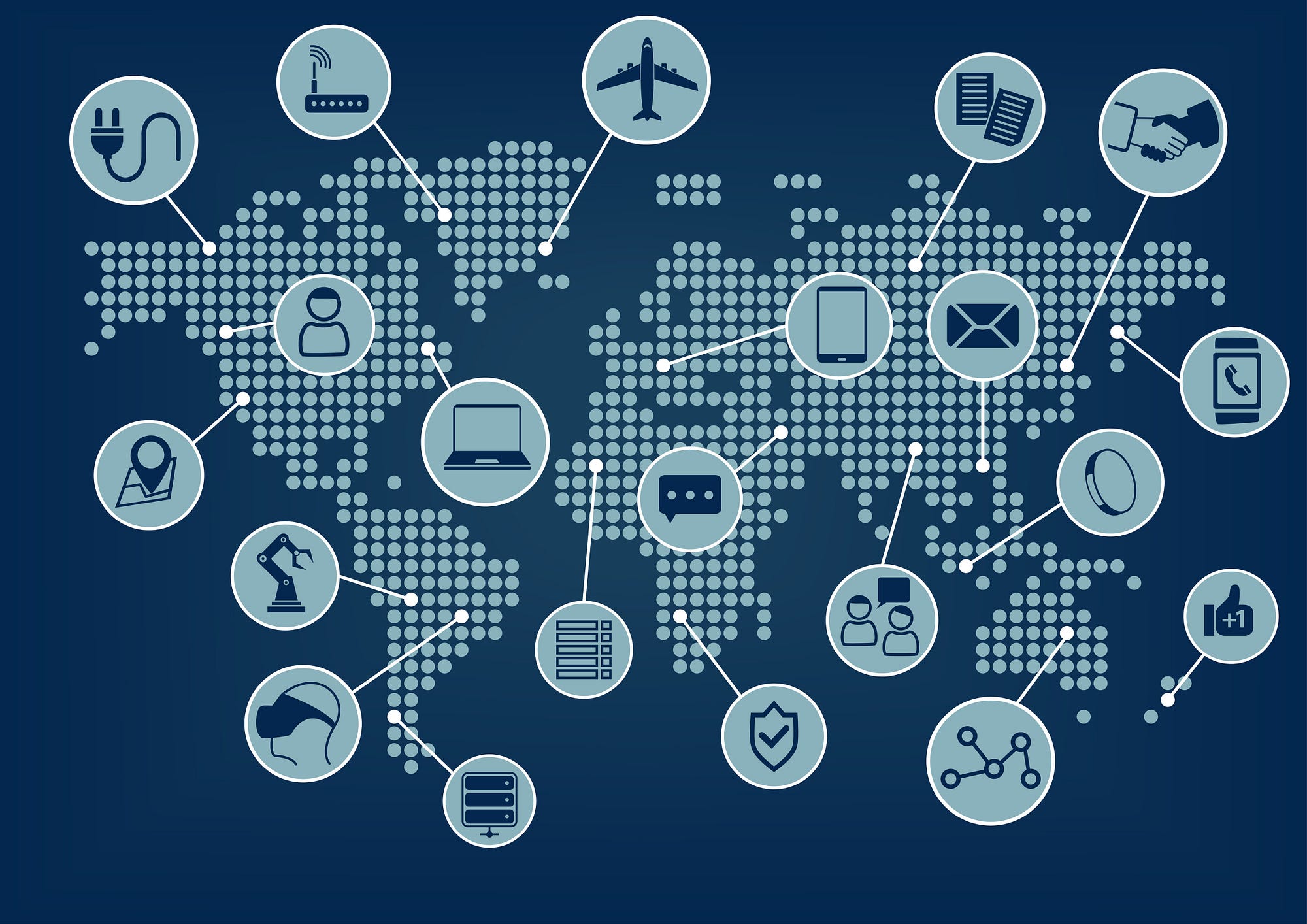
The ability to use, manage, understand, and assess technology. Technology literacy is the ability to effectively use technology to access, evaluate, integrate, create and communicate information to enhance the learning process through problem-solving and critical thinking.
The learnt ability to gain and combine technical know-how together with other forms of social and cultural understanding to identify and qualify opportunities for the deployment, use and application of new and disruptive technologies within a professional context.
Technology literacy is the ability of an individual, working independently
and with others, to responsibly, appropriately and effectively use technology
tools to access, manage, integrate, evaluate, create and communicate
information.
https://medium.com/@faraaz98/state-of-the-technology-literacy-7b35492f5460
https://www.realedados.com.br/analfabetismo-digital-nas-empresas/
https://en.wikipedia.org/wiki/Technological_literacy
http://technucation.dk/en/concepts/technological-literacy/
Media and Information Literacy
(Essay)
Media literacy is an approach to education which
provides a framework to analyze, evaluate and access messages in various forms
and thereby building an understanding of the role of media in the society as
well as self-expressions required for citizens of a democracy.
Media literacy is the ability to know and understand how the mass media works. This includes how they are organized, how they produce their meanings
and how they use them wisely. A person who is media literate can clearly
describe the role of media in their lives. He or she understands the basics of
various media and enjoys using them deliberately in a conscious way. He or she
has full recognition that protects them from being unnecessarily frightened and
therefore has a full control of his or her media experiences. Often, the media
is lumped together as a single entity but in reality it is actually many forms
of communication like the newspapers, billboards, television, radio, magazines,
video games, computer games and videocassettes.
Education for media literacy uses the inquiry-based pedagogic, model
which encourages the people to ask questions in relation to what they read,
hear and watch. Media literacy provides tools which help people analyze
messages and offer them opportunities to broaden their experience of media. It
assists them develop creative skills in coming up with their own media
messages. Critical analysis includes identifying the author, his purpose and
point of view, examining the construction techniques and genres, patterns of
media presentation and detecting any bias, censorship and propaganda available
in the news and public programming. Media literacy explores how structural
features like the media ownership and funding model affects the information presented.
As our world becomes more technological and globally interconnected, it’s increasingly imperative superintendents and cabinet members understand how to best facilitate student acquisition of so-called 21st century skills. The importance of information literacy and recommendations for the future. Specifically, it argues for the importance of Information Literacy to individuals, business, and citizenship. It suggests opportunities to develop information literacy which addresses the information age in school. Information Literacy and Leadership Information literacy in individuals' lives has traditionally.
Further explanation, it is better to have media and information literacy because will be more compatible enough to nurture those literacy by enhancing our minds for all of those things that is part of literacy.
|

